
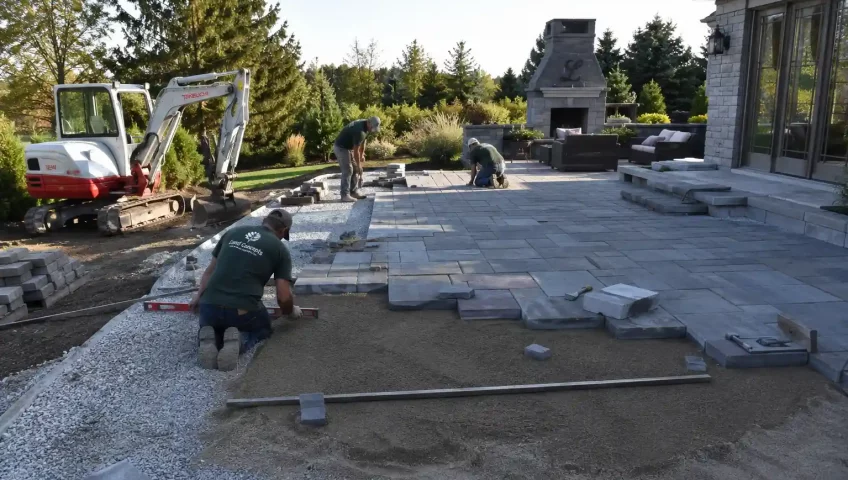
A successful patio construction project starts long before the first stone is installed. Many homeowners focus on colors, pavers, and furniture, but experienced contractors know that long-term performance depends on planning, engineering, drainage, and material selection.
Understanding what professionals look for can help you avoid expensive mistakes, reduce maintenance, and create an outdoor living space that adds real value to your property.
Why Patio Construction Planning Matters
Many homeowners start with appearance. Contractors start with structure.
Before any patio construction begins, professionals evaluate:
- Existing soil conditions
- Property slope and elevation
- Water drainage patterns
- Load-bearing requirements
- Utility line locations
- Local building regulations
Ignoring these factors often leads to:
- Uneven settling
- Surface cracks
- Standing water
- Loose pavers
- Premature structural failure
A well-planned patio can last for decades with proper installation.
Patio Construction Drainage Secrets Contractors Use
One of the biggest secrets in patio construction is that water causes more damage than foot traffic.
Poor drainage can slowly destroy even premium materials. Professional contractors typically design patios with a slight grade to move water away from:
- The house foundation
- Walkways
- Landscape beds
- Outdoor kitchens
- Fire pit installations
Without proper drainage, homeowners often face repairs within a few seasons.
Patio Construction Base Preparation Tips
A patio is only as strong as what sits underneath it.
Contractors usually spend more time preparing the base than laying the surface material.
A professional base may include:
Excavation
Removing unstable topsoil and organic material.
Compacted Aggregate
Creating a stable load-bearing foundation.
Bedding Sand or Fine Stone
Providing precision leveling before final installation.
Skipping proper compaction is one of the most common patio construction mistakes homeowners make when hiring inexperienced installers.
Patio Construction Material Selection Guide
Choosing patio materials is not only about appearance.
Different materials perform differently depending on climate, moisture, and traffic.
Common options include:
Natural Stone
Pros:
- Premium appearance
- High durability
- Unique patterns
Cons:
- Higher installation cost
- May require sealing
Concrete Pavers
Pros:
- Consistent sizing
- Easy repairs
- Strong structural performance
Cons:
- Color may fade over time
Stamped Concrete
Pros:
- Seamless look
- Lower upfront cost
Cons:
- Can crack over time
Experienced contractors match materials to site conditions—not trends.
Patio Construction Budget Secrets
Many homeowners underestimate total project cost.
Contractors often build estimates around these categories:
- Site preparation
- Excavation
- Drainage solutions
- Base materials
- Surface materials
- Edge restraints
- Labor
- Permit requirements
A realistic patio construction budget should also include a contingency for unexpected site conditions.
Patio Construction Features That Increase Home Value
Contractors often recommend adding features that improve both usability and resale value:
- Built-in seating
- Landscape lighting
- Fire features
- Outdoor kitchens
- Retaining walls
- Pergolas
These additions make your patio feel like a complete outdoor living environment rather than a simple hardscape installation.
Questions Contractors Wish Homeowners Asked Earlier
Before signing a contract, ask:
- How deep will excavation go?
- What base materials are being used?
- How is drainage being managed?
- Is compaction performed in layers?
- What warranty is included?
- Will permits be required?
These questions often reveal the quality of a contractor’s process.
Learn more about outdoor transformations at:
Hardscape and construction standards:
ICPI Paver Installation Guidelines
Outdoor living inspiration and building tips:
This Old House Outdoor Patio Guide
Residential construction planning resources:
National Association of Home Builders Resources